
Thank you for Subscribing to Construction Business Review Weekly Brief
The Rise of Outdoor Gym Design in Community-Centric Construction Projects
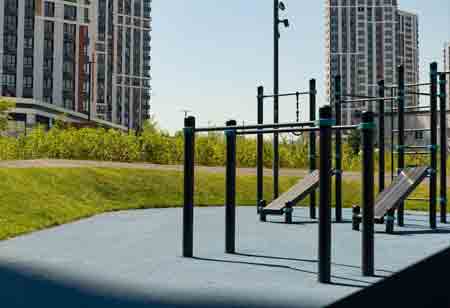
Modern construction projects are undergoing a visible transformation as community well-being becomes central to planning decisions. Public spaces are no longer designed only for passive recreation. They are increasingly built to promote movement, interaction and healthier lifestyles. One of the strongest indicators of this shift is the growing presence of outdoor gym installations in parks, mixed-use developments and residential neighborhoods. These fitness environments are becoming standard components of new community-focused construction efforts.
Restoring Value and Certainty in Complex Construction Projects
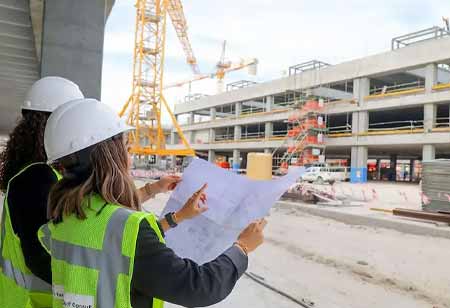
Commercial construction projects which combine design-build delivery with historic renovation demand a level of coordination beyond standard execution. Misalignment between design intent, cost expectations and construction realities remains a primary source of delay and budget erosion. Historic assets introduce added uncertainty, where incomplete documentation, aging structures and regulatory constraints can derail timelines if not addressed early. For executives overseeing such projects, the difference between a controlled build and a reactive one often comes down to how effectively planning, communication and adaptability are embedded into the process from the outset.
Sustainable Outdoor Solutions: Vinyl's Role in Modern Property Enhancement
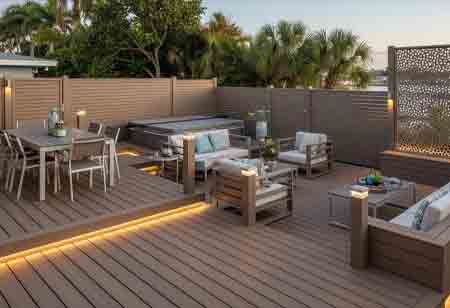
Vinyl fence and deck companies occupy a vital position within the exterior improvement landscape by delivering durable boundary and outdoor living solutions that enhance both functionality and visual appeal. As property development continues to emphasize long-term value, safety, and cohesive design, vinyl-based systems provide a dependable alternative to traditional materials.
Elevating Homes Through Integrated Window and Door Expertise
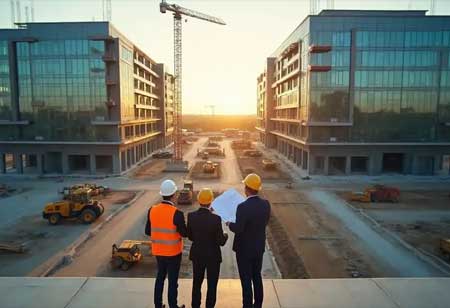
Executive teams overseeing residential construction and renovation face mounting pressure to deliver architectural distinction while controlling risk, schedule and accountability. Windows and large-format door systems now shape not only façade aesthetics but also spatial experience, light penetration and property value. The choice of a window and door dealer has therefore shifted from a procurement exercise to a strategic decision that influences design execution and long-term performance.
Accelerating Residential and Commercial Construction Through Advanced Permitting Services
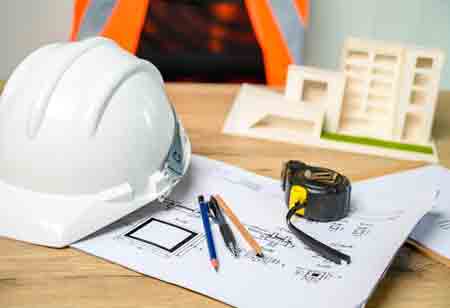
Construction permitting services are transforming how residential and commercial projects move from concept to completion. In an environment where development demands are high and regulatory scrutiny is ever-present, these services help streamline processes, eliminate bottlenecks, and ensure projects remain on schedule. Through a blend of technology, expertise, and improved administrative practices, permitting services are reshaping the construction landscape so that builders, developers and local governments can focus on creating value rather than wrangling through red tape.
Clarity and Control in Kitchen and Bathroom Remodeling

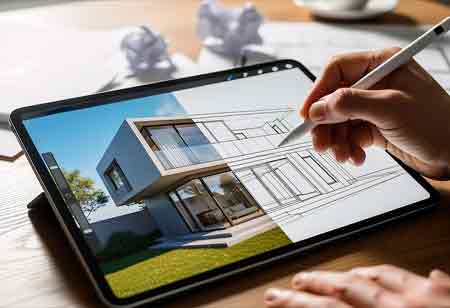
Kitchen and bathroom remodeling projects sit at the intersection of design ambition and structural reality. Executives overseeing construction services must balance aesthetics, cost control and timeline discipline while protecting occupants who often remain in place during the work. Delays, budget escalations and misaligned expectations frequently stem from one root issue: the client cannot clearly see what is being built before walls are opened and capital is committed.
Creating Cohesive Spaces: The Necessity of Architectural Signage Planning
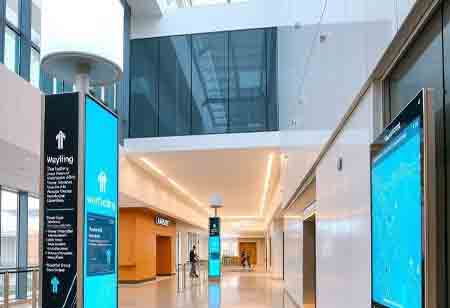
Architectural signage is no longer an afterthought in building design. It has evolved into a strategic asset that plays a key role in how people experience, use, and understand built environments. Today’s construction projects treat signage planning as part of the core design and planning process. This shift reflects broader changes in how spaces are used, in occupants' expectations, and in how buildings respond to trends in technology, accessibility, safety, and sustainability. When signage is planned early and thoughtfully, it can transform a project's functionality and value.
Evaluating Outdoor Fitness Equipment Design for Inclusive Community Wellness

Public agencies, healthcare institutions and large residential developments increasingly view outdoor fitness spaces as a practical extension of community health strategy. Rising interest in preventative wellness, combined with pressure to activate public space more effectively, has shifted expectations for outdoor exercise infrastructure.
Geotechnical Solutions for Sustainable Infrastructure Development
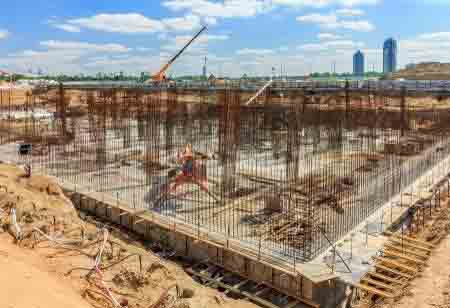
Infrastructure expansion and urban development are placing greater emphasis on reliable site evaluation and ground stability. In response, geotechnical engineering services are playing an increasingly vital role in supporting safe and efficient construction across transportation, energy, and commercial development projects. Advanced soil investigation methods, improved subsurface analysis tools, and digital modeling technologies are enabling engineers to understand ground conditions better before construction begins. These capabilities are helping project planners reduce structural risks, optimize foundation designs, and ensure long-term durability for large-scale developments.
Roofing Companies: Engineering Durable Climate Resilient Systems

A roofing company functions as a critical steward of structural integrity, positioned where architectural design, environmental exposure, and long-term asset preservation converge. The roof is more than an exterior covering. It is a complex system responsible for thermal regulation, moisture defense, wind resistance, and increasingly, energy performance. As building standards evolve and property owners demand measurable durability, roofing operations have become more technical, more consultative, and more accountable. Precision in installation, depth of material knowledge, and disciplined project coordination now define professional credibility in a sector where performance is tested daily by climate and time.
Selecting a Top Roofing Company for Construction Leaders
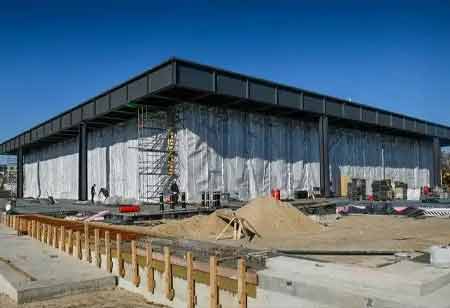
Executives responsible for building portfolios and facilities face a persistent challenge when evaluating roofing providers. Roofing affects asset protection, insurance exposure and long-term maintenance budgets, yet the industry remains fragmented. Many firms depend heavily on subcontract labor, limited project oversight and inconsistent supply chains. Construction leaders evaluating roofing partners must therefore look beyond price or project timelines. The real differentiator lies in whether a contractor can maintain consistent control over workmanship, materials and response capability across a project’s lifecycle.
Architecture and Design: The Cornerstones of Digital Transformation in Construction
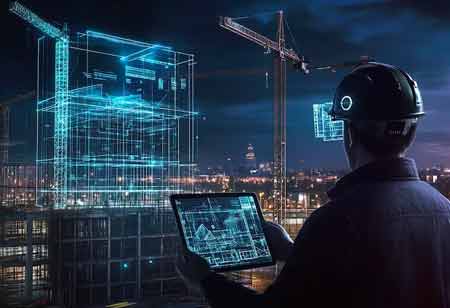
The construction industry is entering a crucial phase of transformation as architecture and design practices increasingly drive digital innovation throughout project lifecycles. Rapid urbanization, large-scale infrastructure development, labor shortages, and complex regulatory environments are pushing architecture and design firms to adopt new methods beyond traditional approaches. Digital transformation has emerged as a strategic enabler, allowing architects and designers to integrate data, automation, and advanced analytics into planning, design development, and construction coordination, fundamentally reshaping how construction projects are conceived and delivered.
Choosing Reliable Residential and Commercial Construction Permitting Services
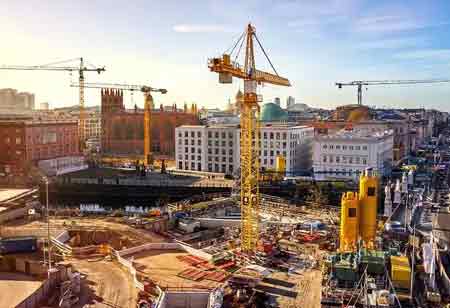
Construction investment depends on disciplined scheduling, predictable costs and clear regulatory pathways. Permit approvals remain among the most persistent sources of delay in both residential and commercial development. Developers, retailers, contractors and property owners regularly confront fragmented municipal rules, inconsistent review timelines and documentation requirements that vary widely across jurisdictions. Even experienced project teams discover that internal staff rarely have the capacity to manage permit coordination across multiple cities while maintaining project momentum.
Construction Design and Development: Integrating Vision and Execution for Sustainable Growth
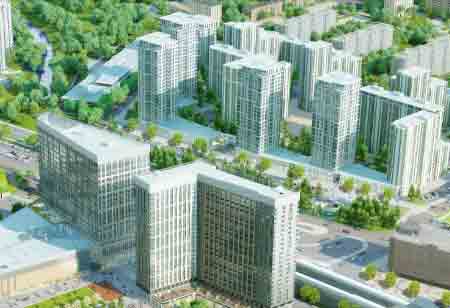
Construction design and development sit at the core of infrastructure growth, urban expansion, and commercial real estate transformation. From residential communities and mixed-use developments to industrial parks and public infrastructure, the integration of strategic planning, innovative design, and disciplined execution determines long-term asset value and operational performance. For developers, investors, contractors, and public authorities, aligning design excellence with cost control, regulatory compliance, and sustainability objectives has become a competitive necessity rather than a differentiator.
Floor Coating Solutions that Extend the Value of Residential Space
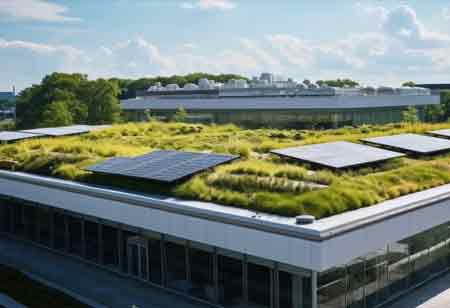
Residential construction and home improvement markets continue to evolve around a simple premise: homeowners expect every square foot of a property to serve a purpose. Garages, once treated solely as storage for vehicles and tools, are increasingly serving as extensions of the living environment.
That shift has created strong demand for advanced floor coating systems that transform unfinished concrete into a clean, attractive and usable surface while remaining practical for daily wear. Executives evaluating providers in this segment must balance aesthetic value with installation reliability, long-term performance and homeowner convenience.
Expansion of Industrial Cold Storage: Challenges and Opportunities in Construction
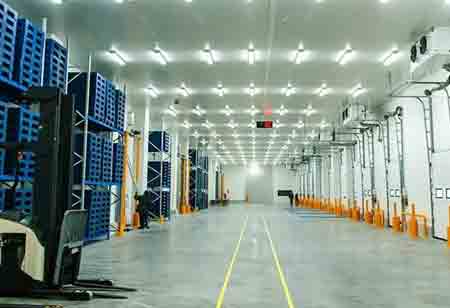
Industrial cold storage facilities are no longer niche assets tucked away on the edges of logistics parks. They are now central to the evolution of food supply chains, pharmaceutical distribution, e-commerce fulfillment and manufacturing logistics. With demand for fresh, temperature-sensitive products rising sharply, the construction of cold storage facilities has become a major industrial priority. This expansion is driven by shifting consumer habits, regulatory pressures, technological innovation and the fundamental need for temperature-controlled environments. Yet building these sophisticated structures calls for more than traditional construction skills. Expertise in specialized materials, systems integration and engineering precision is essential to support the performance, reliability and safety that cold storage demands.
Design-Build Leadership in Cold Storage Construction

Temperature-controlled distribution has shifted from niche infrastructure to core supply chain strategy. Food producers, grocery wholesalers, third-party logistics providers and cold chain operators now rely on facilities that support tighter inventory turns, higher throughput and regional expansion. Construction partners must deliver more than square footage; they must translate product flow, temperature zoning and power demands into integrated building systems that perform from day one. Misalignment between structure, envelope and refrigeration design can result in costly retrofits, delayed commissioning or compromised storage density.
Enhancing Durability and Aesthetics: The Evolution of Floor Coating Solutions
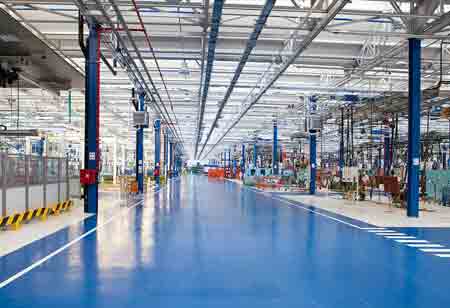
Floor coating solutions play a vital role in enhancing surface durability, safety, and aesthetic performance across residential, commercial, and industrial environments. These solutions are engineered to protect flooring substrates from wear, chemical exposure, moisture intrusion, and mechanical stress while contributing to functional and visual improvement. As built environments become more performance-driven and sustainability-focused, floor coating solutions have evolved beyond basic protective layers into advanced systems that support hygiene, operational efficiency, and long-term asset value. The growing emphasis on lifecycle performance and surface optimization continues to position floor coating solutions as essential components within modern construction, renovation, and facility management strategies.
Architectural Signage Planning and Design for Complex Environments
Architectural signage planning and design has become a core planning discipline within the built environment rather than a decorative afterthought. Healthcare systems, corporate campuses, education facilities and mixed-use developments rely on clear wayfinding and branded elements to support user experience, regulatory compliance and long-term asset consistency. Executives responsible for commissioning these services face a recurring obstacle: signage must align with brand standards and architectural intent while meeting code requirements and remaining feasible to manufacture and install within budget.
Achieving Construction Excellence: Leveraging Consultant Strategies for Success

Construction is being built in an environment of tighter margins, higher material costs, persistent labor shortages, and heightened regulatory scrutiny. Against that backdrop, owners and general contractors increasingly turn to construction consulting firms — independent advisers who bring scheduling discipline, cost controls, dispute avoidance, and technical know-how to projects large and small.
Choosing Geotechnical Engineering Expertise for Confident Land Development
Land development begins long before foundations are poured or structures rise above ground. Subsurface conditions determine whether projects move forward smoothly or encounter costly delays, redesigns or structural concerns. Executives responsible for commissioning geotechnical engineering services therefore face a challenge that sits at the intersection of engineering judgment, schedule management and risk reduction. Soil behavior, groundwater conditions and historical site changes must be interpreted carefully before construction decisions are made.
Elevating Cabinetry: Design Sophistication and Market Dynamics
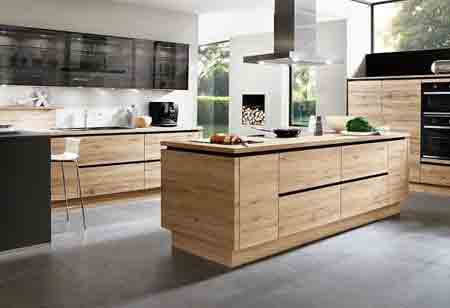
Light-filled kitchens, reimagined home offices, and boutique hospitality spaces are revealing more than changing tastes; they are signaling a recalibration in how cabinetry design companies compete and grow. The sector has moved beyond its reputation as a purely craft-driven trade and now operates within a design-conscious, margin-sensitive, and brand-aware marketplace.
Evaluating Exterior Wall Finishes Applicators in Demanding Climates
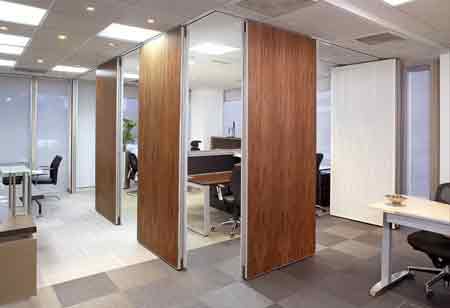
Exterior wall systems carry a burden that extends well beyond appearance. They regulate moisture, influence energy performance and protect structural assemblies from long-term deterioration. For executives procuring exterior wall finish applicators in markets such as Chicagoland, the decision shapes construction schedules, lifecycle cost, warranty exposure and reputational risk.
Exterior Wall Finishes: A Smart Investment for Homeowners
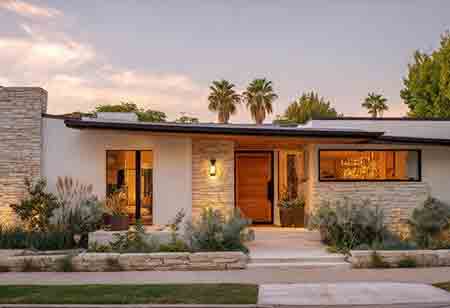
The exterior envelope of a building functions as a protective barrier and public identity, significantly impacting structural longevity, energy efficiency, and asset perception. The role of the exterior wall finishes applicator is crucial, affecting performance outcomes and maintenance costs, making their selection a strategic decision for developers and property managers. Various materials, including cementitious coatings and cladding systems, require specific application techniques, with the applicator's expertise crucial for resisting weather and environmental stresses. Proper application is vital in commercial settings to maintain asset stability and tenant satisfaction.
Designing Custom Cabinetry for Performance, Precision and Client Confidence
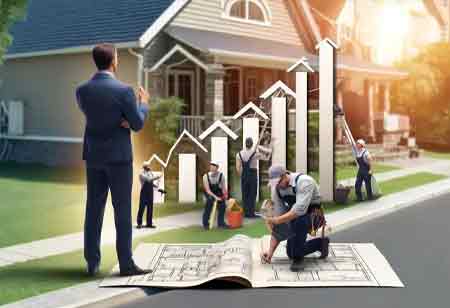
Executives responsible for commissioning cabinetry design services operate in a market defined by compressed build schedules, cost variability and heightened scrutiny over finish quality. Cabinetry now carries architectural weight. In residential projects, kitchens and primary baths influence resale value, daily functionality and buyer perception. In hospitality, healthcare and multifamily developments, millwork must align with brand standards, inspection codes and lifecycle durability expectations. A dimensional error or coordination lapse at the cabinetry stage can delay electrical trim, plumbing fixtures and final inspections, expanding cost exposure across trades.
Transformational Remodeling: Enhancing Functionality and Aesthetics in Homes
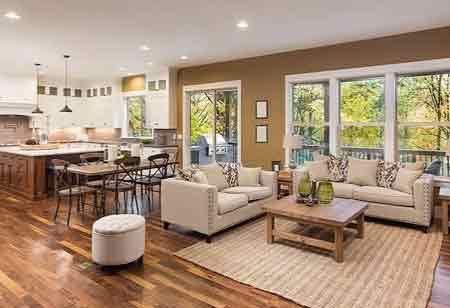
Every home reflects the never-ending pursuit of functional and aesthetic excellence in the most utilized spaces within the residential dwelling, be it in kitchens or bathrooms. Property owners wishing to begin maintaining or even adding to the capital value of their property investments have typically ended up making kitchens and bathrooms as primary targets for long-term wealth preservation through strategic renovation.
Evaluating Integrated Construction Design and Development Services for Complex Environments
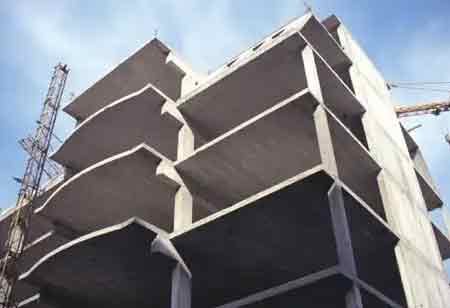
Executives responsible for commissioning large-scale construction programs face a difficult balance among cost discipline, technical performance and schedule certainty. Industrial facilities, food manufacturing plants and specialized commercial buildings require more than standard trade coordination. Mechanical, electrical and plumbing systems must function as an integrated whole, often under demanding airflow, hygiene or process conditions. In this environment, design decisions carry long-term implications for reliability, maintenance and compliance. The quality of early collaboration between the contractor and the client frequently determines whether a project delivers measurable value or simply satisfies the drawings.
Commercial Construction: Integrated Trends Driving Sustainable Urban Development

Commercial construction companies play a central role in shaping urban infrastructure and economic development by delivering facilities that support business, commerce, and public services. These organizations manage complex projects such as office buildings, retail centers, healthcare facilities, educational institutions, and mixed-use developments.
When Architecture and Engineering Program Management Sets the Standard
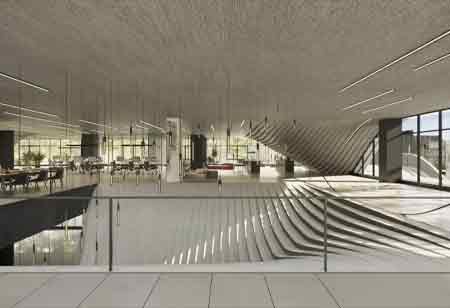
Executives overseeing complex construction programs are operating in an environment defined by compressed schedules, heightened scrutiny and limited tolerance for disruption. Design quality remains essential, but it is no longer the decisive differentiator. The more persistent risk lies in misalignment between intent, approvals and execution, where small disconnects compound into material delays. Firms entrusted with guiding architecture and engineering efforts are increasingly expected to manage that risk directly rather than treating it as external to their remit.
Elevating California Homes: The Future of Window and Door Design
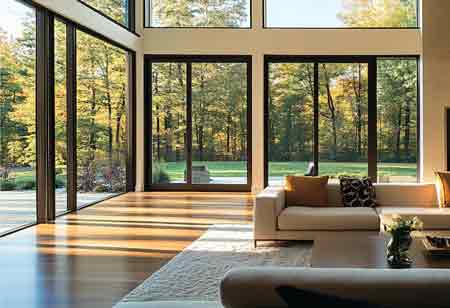
Windows and doors are fundamental elements that shape a building's functionality, aesthetics, and long-term durability. As consumer expectations grow toward personalized designs that reflect individual style, integrated smart technologies for modern living, and eco-friendly construction practices, the window and door industry is undergoing a remarkable metamorphosis, particularly in design-forward markets such as California.
Selecting a Commercial Construction Partner Built for Accountability and Continuity
Commercial construction buyers are operating in an environment shaped by cost volatility, permitting complexity and heightened expectations around delivery certainty. Projects increasingly involve mixed stakeholders, compressed timelines and owners with uneven development experience. Some arrive with seasoned internal teams and clear specifications, while others are entering construction for the first time and require guidance from site selection through occupancy. In this setting, the differentiator is not scale alone but the ability to provide clarity, continuity and disciplined execution across the full build process.
Strategic Governance in Architecture and Engineering Program Management

Steel and concrete are only the visible expressions of a much larger orchestration unfolding behind major capital projects. Architecture and engineering program management firms now occupy a decisive position in shaping how complex portfolios move from vision to realization. Public agencies, private developers, and institutional investors increasingly rely on these firms not merely for coordination but for governance, risk alignment, and strategic continuity. The industry stands at a point where its value is measured less by oversight and more by influence over capital outcomes, stakeholder trust, and long-term asset performance.

